Introduction:
Liberia presents growing opportunities for entrepreneurs, investors, and international companies looking to establish a presence in West Africa. However, starting a business in Liberia requires a clear understanding of regulatory processes, institutional requirements, and operational realities.
Organizations that approach market entry with proper planning and local insight are far more likely to succeed.
This guide outlines the key steps involved in starting a business in Liberia.
Why Start a Business in Liberia?
Liberia offers several advantages for businesses, including:
- Strategic location in West Africa
- Access to natural resources
- Opportunities in infrastructure and development sectors
- Growing demand for services and investment
These opportunities can be relevant to local entrepreneurs, international companies, investors, contractors and organisations entering Liberia for the first time.
However, understanding the local business environment is important before making an investment or starting operations.

Step-by-Step Guide to Starting a Business in Liberia
1. Define Your Business Structure
When starting a business in Liberia, one of the first steps is choosing an appropriate legal structure for your business.
- Sole proprietorship
- Partnership
- Corporation
The Liberia Business Registry (LBR) handles business registration, with requirements varying by structure. Your choice can affect taxes, ownership and how the business operates, so consider your business activities and long-term plans before deciding.
2. Register Your Business
Once you have chosen your business structure, you can register your business in Liberia through the Liberia Business Registry (LBR). The process generally includes:
- Registering your business name
- Submitting the required documents
- Completing the necessary registration formalities
The exact requirements can vary depending on your business structure and activities.
3. Obtain Necessary Licenses and Permits
Depending on your business activity and industry, you may need:
- Sector-specific licences
- Operational permits
- Regulatory approvals
Requirements vary by sector, so check the relevant authorities and obtain any required approvals before starting operations.
4. Understand Tax and Regulatory Requirements
Businesses in Liberia need to understand and meet their applicable:
- Tax regulations
- Reporting obligations
- Institutional requirements
These requirements can vary depending on your business structure and activities. Keeping your tax and regulatory records up to date helps maintain compliance and reduces the risk of unnecessary penalties or delays.
5. Establish Operational Setup
Once your business is registered, the next step is to prepare for day-to-day operations. This may include:
- Setting up an office or project location
- Hiring local staff
- Arranging suppliers and logistics
- Organising the resources needed to operate
A well-planned operational setup helps your business start smoothly and stay organised as it grows.
6. Engage with Local Institutions and Stakeholders
Building good working relationships is an important part of doing business in Liberia. Depending on your industry, you may need to:
- Engage with government institutions
- Coordinate with regulators
- Work with local authorities and stakeholders
- Maintain clear communication with business partners
Good stakeholder coordination can make it easier to understand local requirements, resolve issues and keep business activities moving smoothly.
Common Challenges When Starting a Business in Liberia
Businesses often face challenges such as:
- Navigating regulatory processes
- Understanding institutional expectations
- Managing compliance requirements
- Coordinating operations on the ground
Proper planning and local knowledge can help businesses understand these challenges, make informed decisions and manage their operations more effectively.
Why Local Expertise is Important
Entering a new market requires more than completing registration paperwork.
Local expertise helps organizations:
- Interpret regulatory requirements correctly
- Navigate institutional processes
- Avoid operational delays
- Establish credibility with stakeholders
For companies entering Liberia for the first time, local knowledge can make it easier to understand procedures, coordinate activities and make informed project decisions.
This is especially useful for complex projects that require strong on-ground coordination. Learn more about local partnerships in Liberia and how they can support project execution.
Local support does not replace legal, tax or technical advice. Instead, it can complement the wider professional team by providing practical knowledge of the local operating environment.
How Tangerine Consultancy Supports Businesses in Liberia
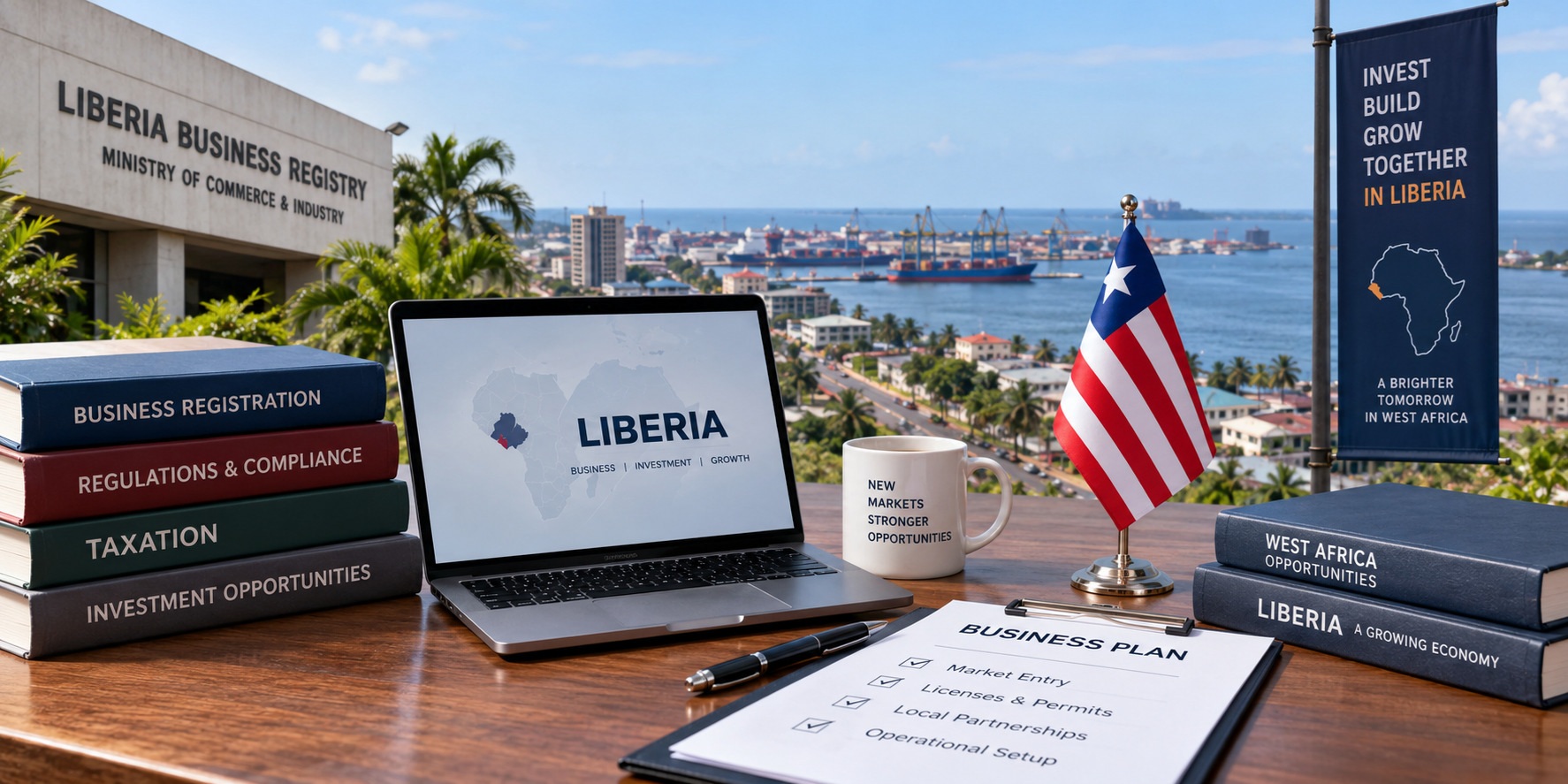
Many organisations entering Liberia work with experienced business consultants to navigate regulatory processes, operational planning, procurement requirements and market entry challenges. Tangerine Consultancy provides Market Entry Services in Liberia to help organisations plan their entry, understand the local business environment and establish their presence effectively.
Our services include:
- Strategic advisory for market entry
- Local facilitation and stakeholder coordination
- Procurement and bid consultancy
- Project execution support
As a consulting firm in Liberia, we help organizations establish and grow their presence effectively.
Learn more about our Strategic Advisory Services in Liberia and Local Facilitation Services
Conclusion
Starting a business in Liberia offers strong opportunities, but success depends on understanding regulatory processes, preparing effectively, and engaging with the local environment. Organizations that approach market entry strategically — and leverage local expertise — are better positioned to establish sustainable operations.
FAQ
How do I start a business in Liberia?
Starting a business in Liberia involves choosing a business structure, registering the company, obtaining licenses, complying with regulations, and establishing operations.
Can foreigners start a business in Liberia?
Yes, foreign individuals and companies can establish businesses in Liberia, subject to regulatory and compliance requirements.
What licenses are required to operate a business in Liberia?
Licenses vary by industry and may include sector-specific approvals and operational permits.
Why is local support important when starting a business in Liberia?
Local support helps navigate regulatory processes, manage compliance, and ensure smooth operations.
How much does it cost to register a business in Liberia?
Registration fees vary by business type and applicant. For example, current LBR fees range from US$700 for a non-Liberian sole proprietorship to US$900 for an LLC or business corporation.
Where do I register a business in Liberia?
You can register a business through the Liberia Business Registry (LBR), including its available online registration service.
Do businesses in Liberia need a Taxpayer Identification Number?
Yes. Businesses operating in Liberia must obtain a Taxpayer Identification Number (TIN). For businesses, the TIN is obtained through the Liberia Business Registry as part of the registration process.